
Are you a foreigner living in Poland—or planning to move—and looking for a stable, well-paying job without needing a university degree? TIG/WIG welding is one of the most in-demand professions in Poland, with salaries ranging from 7,000 PLN to even 12,000 PLN per month.
In this article, we’ll explain how to become a certified TIG/WIG welder in Poland, where to take welding courses, and what legal steps you need to work as a foreigner.
What is TIG/WIG Welding?
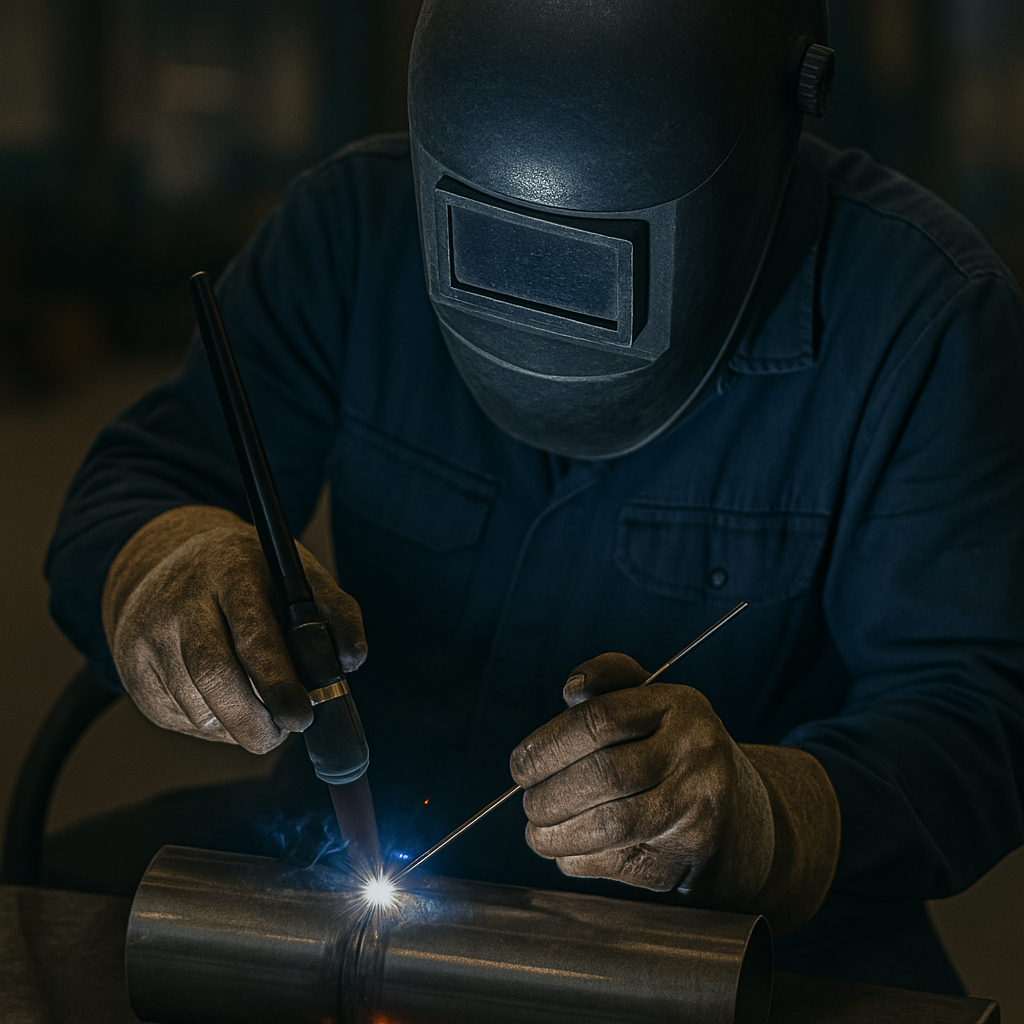
TIG/WIG welding is a precise technique used to join metals such as stainless steel, aluminum, and copper. It’s widely employed in industries like shipbuilding, automotive manufacturing, and construction. The process requires a steady hand and attention to detail but offers substantial rewards in terms of job opportunities and salary. TIG (Tungsten Inert Gas) or WIG (Wolfram Inert Gas) welding is a high-precision welding method used mainly in:
- Shipyards
- Automotive factories
- Industrial construction
- Stainless steel and aluminum work
It requires good coordination and attention to detail, but it’s a skill you can learn in just a few weeks with proper training.
Why Become a TIG/WIG Welder in Poland?
Benefits:
- High salaries: 7,000–12,000 PLN per month
- Low entry requirements: no degree or fluent Polish needed
- Free or subsidized training options
- Long-term contracts with accommodation and bonuses
This makes it a perfect job option for foreigners, especially from non-EU countries who want to stay in Poland long-term.
Steps to Become a Certified TIG/WIG Welder in Poland
1. Meet Basic Requirements
- Age and Education: Must be at least 18 years old with a minimum of primary education.
- Health Clearance: Obtain a medical certificate confirming fitness for welding work.
2. Enroll in a Certified Welding Course
Choose a reputable training center that offers comprehensive TIG/WIG welding courses. Here are some options:
Warsaw:
- KURSO Training Center: Offers professional welding courses covering various methods, including TIG. Courses include theoretical and practical training, culminating in a UDT exam.
- ERGON Training: Provides specialized training in TIG welding, with courses designed to impart both theoretical knowledge and practical skills.
Gdańsk:
- WNS Pomorze: Conducts training and certification under the supervision of technical inspection bodies like UDT-CERT and TÜV SÜD. They offer courses in various welding methods, including TIG.
Bydgoszcz:
- METALKO Welding Training Center: Provides training and examinations for welders, with certifications issued by UDT, TÜV SÜD, and other recognized bodies.
Katowice:
- ZRE Katowice Welding Training Centre: Offers professional training in TIG welding, with certifications from the Institute of Welding Engineering and UDT.
3. Obtain Certification
After completing the course, you’ll need to pass theoretical and practical exams to obtain certifications such as:
- UDT (Office of Technical Inspection) Certification
- TÜV SÜD Certification
- EN ISO 9606-1 Certification
These certifications are recognized across Poland and the European Union, enhancing your employability.
4. Seek Employment
With your certification, explore job opportunities in industries like shipbuilding, automotive, and construction. Utilize job portals, recruitment agencies, and networking events to find suitable positions.
Once certified, you can apply to:
- Shipyards in Gdynia, Szczecin, and Gdańsk
- Automotive factories (e.g., Volkswagen, MAN)
- Industrial construction companies
Check job boards like:
How Much Can a TIG/WIG Welder Earn in Poland?
| Experience Level | Monthly Salary (Gross) |
|---|---|
| Beginner | 7,000–8,500 PLN |
| Mid-level | 9,000–10,000 PLN |
| Experienced | 11,000–12,000+ PLN |
🟨 Important Notes:
Many foreigners start at 6,000–7,000 PLN and grow quickly with consistent work & extra hours.
Companies often offer accommodation, which helps save a lot.
Your earnings will be lower if you lack certification or don’t take on overtime.
Some job ads inflate salaries — always double-check what’s included (e.g., gross vs net pay, bonuses, work hours).
🛠️ Pro Tip:
To reach the 10,000–12,000 PLN/month mark, you need:
- UDT or TÜV certification
- Strong hands-on skills
- Open to work night shifts/overtime
- Possibly willing to relocate to Gdańsk/Szczecin or take contracts abroad through Polish agencies
Need Help with Legal Documents or Work Permit?
At Lawdigital.co, we help foreign workers in Poland:
- Apply for work permits
- Obtain or renew a Temporary Residence Card
- Legalize stay for vocational training or employment purposes
Contact us today if you want to work in Poland legally and safely – we speak your language and offer personalized support.
Conclusion
Becoming a certified TIG/WIG welder in Poland offers a pathway to a stable and well-paying career. By enrolling in reputable courses, obtaining the necessary certifications, and ensuring legal compliance, you can position yourself for success in this in-demand field.
For personalized legal assistance with work permits and residency in Poland, visit Lawdigital.co.
Note: Course availability and details may change. It’s advisable to contact the training centers directly for the most current information.